👍 20,000+ Satisfied Customers
🌈Try it risk-free with a full money-back guarantee
✅ Guaranteed! Google Trusted Store!
🍈 Free Shipping Over $39.9
🛒 Payments Via PayPal® and Credit Card
🔥 4,165 sold in the last 24 hours 🔥
🔥 99.3% of reviewers recommend this product.

🍈 Heirloom Premium Fig Tree Seeds
No large garden required. No complicated gardening experience needed. With just a pot or a sunny corner of your yard, you can enjoy the beauty of a thriving fig tree and the satisfaction of harvesting your own fresh figs.
🌟 Sweet, Homegrown Figs – Naturally Delicious & Non-GMO
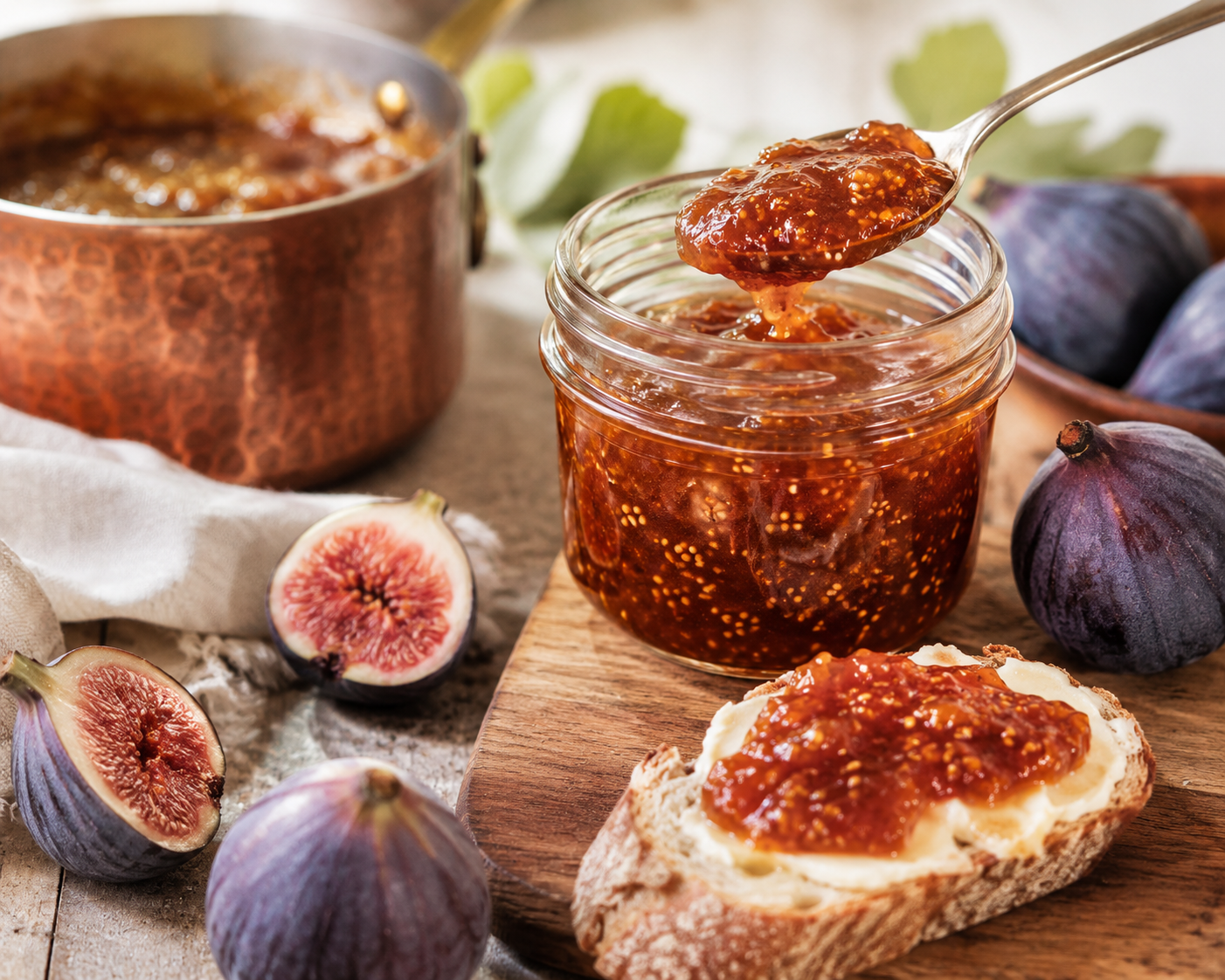
If you're tired of paying premium prices for store-bought figs that often lack freshness and flavor, it's time to grow your own. Our premium heirloom fig seeds allow you to experience the rich sweetness, soft texture, and naturally fresh taste that only homegrown figs can provide.
🌿 A Beautiful Fig Tree for Any Garden
Whether you have a spacious backyard, a cozy patio, or a sunny balcony, fig trees are an excellent choice for home gardeners. Their attractive foliage adds beauty to your outdoor space, while the delicious fruit makes every harvest rewarding.

🌱 High-Quality Seeds for Confident Growing
Every seed is carefully selected for quality and vitality. With proper care and patience, you'll enjoy watching your fig tree grow from a tiny seed into a healthy, productive tree that can provide delicious fruit for years to come.
👨👩👧👦 Create Lasting Family Memories
Planting a fig tree is more than growing fruit—it's creating memories. Share the joy of gardening with your children or grandchildren as you watch your tree grow season after season.
💖 Why You'll Love It
✅ Sweet, Honey-Like Fresh Figs
Enjoy delicious, naturally sweet figs straight from your own garden.
✅ Beautiful Ornamental Tree
Large green leaves create an elegant landscape while providing shade and seasonal beauty.
✅ Perfect for Home Gardens
Suitable for gardens, patios, balconies, and large containers.
✅ Long-Term Harvest
With proper care, a mature fig tree can provide fresh fruit year after year.
✅ Non-GMO Premium Seeds
Carefully selected heirloom seeds for home gardeners.
✅ A Rewarding Gardening Experience
Watch your tree grow from seed into a beautiful fruit-bearing centerpiece.

🌟 Naturally Delicious Goodness
Fresh figs are a naturally enjoyable fruit and can be part of a balanced diet.
✅ Naturally Contains Dietary Fiber
✅ Naturally Provides Potassium
✅ Source of Naturally Occurring Plant Compounds
✅ Rich, Sweet Flavor
✅ Fresh Homegrown Taste
🌱 How to Grow Your Fig Tree – Easy 6-Step Guide
1️⃣ Soak the seeds in clean water for 12–24 hours before planting.
2️⃣ Fill a pot with loose, well-draining seed-starting soil.
3️⃣ Plant seeds about 1/4 inch (6 mm) deep and lightly cover with soil.
4️⃣ Keep the soil evenly moist and place the pot in a warm, bright location.
5️⃣ Once seedlings appear, provide plenty of sunlight and continue watering as needed.
6️⃣ Transplant outdoors or into a larger container when the plant becomes well established, then continue caring for your tree as it matures and eventually produces delicious figs.
Please note: Fig trees grown from seed require patience. Germination time, growth rate, and fruit production vary depending on climate, growing conditions, and care.
📋 Specifications
Variety: Premium Heirloom Fig
Seed Grade: Non-GMO, Hand Selected
Growth Habit: Deciduous Fruit Tree
Suitable For: Gardens, Patios, Containers, Backyard Growing